Fallece muy joven el cubano
Daniel Ponce
17 de marzo de 2013
|
|
.jpg)
Last Sunday (March 17, 2013), I picked up a distraught message from my good friend Sue Steward, who has written extensively about Afro Cuban music and the NYC and Miami Latin/Salsa scenes. She had just heard the sad and tragic news that Cuban master percussionist, Daniel Ponce had been found dead in the street in Miami. There were no signs of foul play and it appears that he collapsed and died the victim of a massive heart attack.
In recent times Daniel had shunned the limelight of the US Latin music scene and, as a result, information surrounding his untimely passing at the age of 59 remains scarce. Sue, along with others who had worked with Daniel and respected him – like the legendary Verna Gilles – are working to open up lines of communication within the Latin music community and beyond to ensure his passing does not go unnoticed. Daniel Ponce deserves recognition for his startling and innovative contribution to a genre of music that millions of people love and draw both strength and pride from.
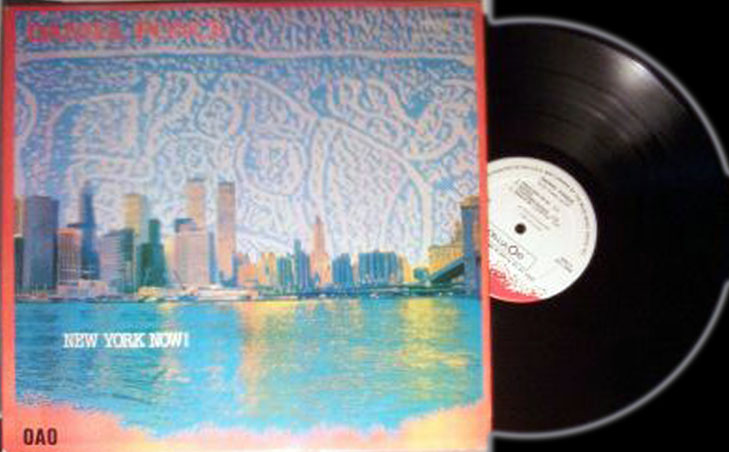
Though I never met Daniel Ponce, I am assured that he was both a genius and, at times, notoriously difficult to work with. He fled from Fidel’s Cuba on the Mariel and his impact on the NYC scene was immediate. Suddenly, the percussion dons of the day – Tito Puente and Ray Baretto – had some earthy and fierce competition and word was they didn’t dig it. Instantly recognized as one of the finest percussionists to arrive in the city since the heyday of Chano Pozo and Candido Camero, Ponce displayed rhythmic mastery of both folkloric Cuban music and contemporary African-American rhythms. For a taste of the man’s skills check this scintillating and deep guaguancó from his from his 1983 US debut ‘ New York Now!’.
Daniel Ponce’s grandfather was a famous bata drummer and initiated his grandson into the tradition early in his life. At 11 he played cowbell with Los Brillantes in Havana and once in his teens switched to playing congas with Comparso Federacion Estudiantil Universitario. He fled to the States in 198o and headed straight to NYC. At the invitation of Jerry and Andy Gonzalez he sat in at the Village Gate where he met another Cuban defector saxophonist Paquito D’Rivera. A working relationship developed and Daniel was enlisted to play on a Paquito’s ‘Manhattan Burn’ album. He also did sessions for stellar NYC / Puerto Rican pianist Eddie Palmieri but it was producer/bassist Bill Laswell who was to elevate the percussionist’s career to another level. Laswell landed him a session with Herbie Hancock that finally emerged as the critically acclaimed and huge selling ‘Future Shock’ LP.
Ponce cut his first album, ‘New York Now!’ for Celluloid Records in ’83 and followed that up with the innovative and brilliant ‘Arawe’, which was also produced by Laswell. Around that time La Reina (Sue Steward), Dave Hucker, Gerry Lyseight and myself were all playing out at parties or on pirate radio and I can’t recall the number of sessions at which I played Ponce’s dynamite composition ‘Oromi’. I’m playing it right now and it remains a slice of rootical dance floor perfection with brilliant horns, marimba and two serious rumba breakdowns.
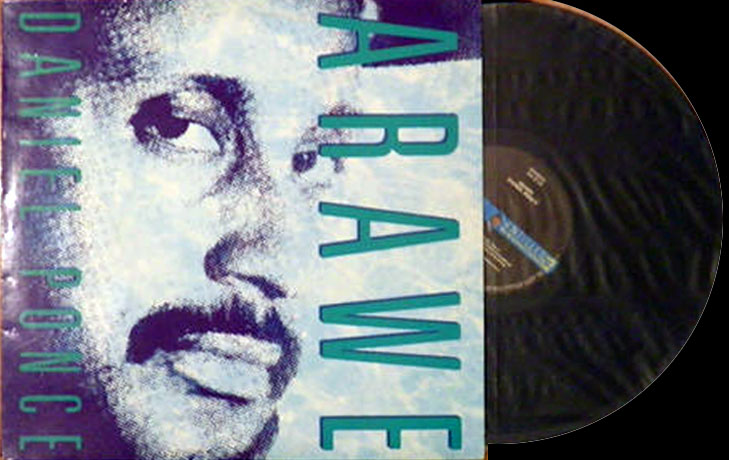
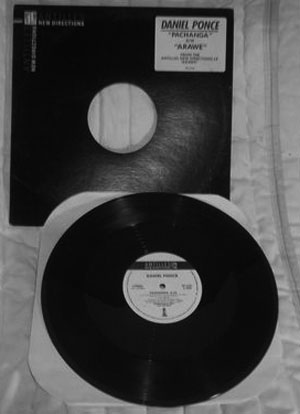
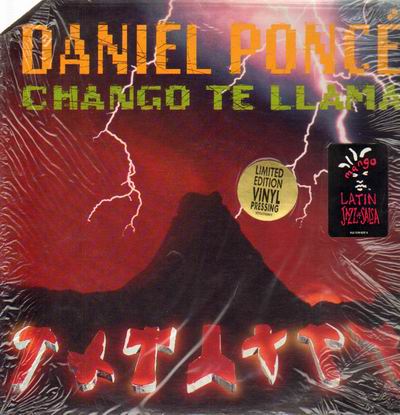
‘Arawe’ was followed in ’91 by the Oscar Hernandez produced ‘Chango Te Llama’. It was a muscular but more straight ahead affair than its predecessor. It was clearly aimed into the Latin and Latin Jazz market and that’s where the man went leading groups like New York Now and Jazzbata. After that Daniel Ponce faded from the spotlight. Sadly it was not a brilliant new recording or terrific new band but news of his death on a street in Miami that has brought the fiery master percussionist back into our lives.
Anuncio original de ancienttofuture.com
___________________________________________________________
Al no encontrar artículos de Daniel, a pesar de eso, ahí esta la noticia con fecha de enero 21 de 1988, en NYTimes.com después de haber salido a la venta el disco de Arawe.
___________________________________________________________
Derechos Reservados de Autor
Herencia Latina